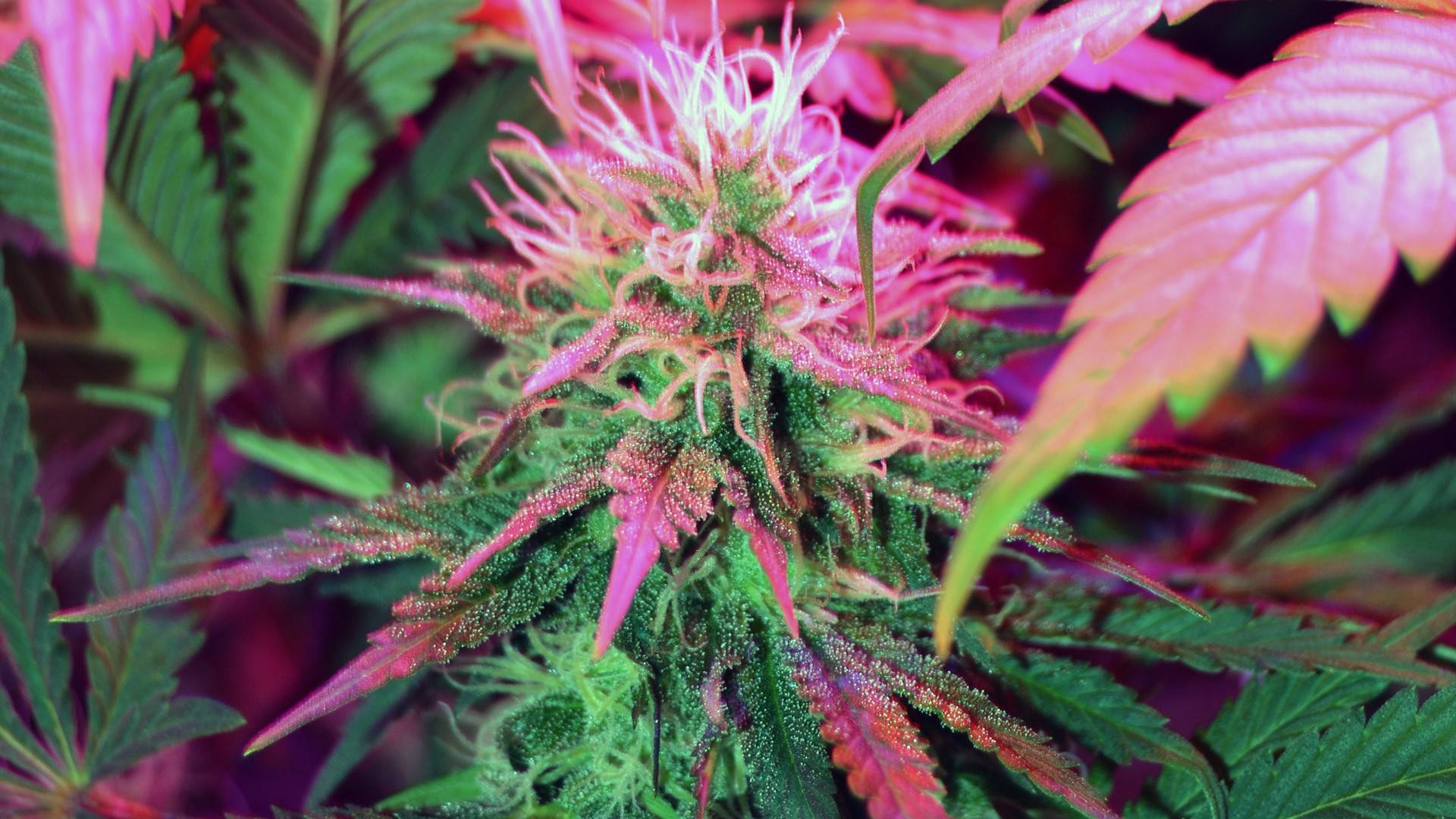

The Effects of Marijuana
Cannabis has been central to the , art, film and popular culture. Since the days of reggae and hip-hop,
to the counterculture movements, marijuana has been labeled as an icon of rebellion, relaxation, or creativity.
Although such cultural normalization has served to buffer the stigma, it also normalizes use, which may diminish the risks involved among the impressionable.
Community-Level Effects
Marijuana may lead to both beneficial and adverse effects, at the community level:
Economic opportunitiesThe legalization of cannabis creates employment, taxation and business development.
The Effects of Marijuana The higher the incidence of cannabis abuse in the community, the higher the health, absenteeism and social ills.
Prevention programs NGOs, schools and community organizations are very important in the process of educating the people on how to use cannabis responsibly and also assisting the individuals that are facing problems in dependence.
Finding a Balance to Society.
The role of marijuana in the society is not as straightforward as it is.
On the one hand, it entails medical potential, cultural wealth, and economic development. On the other, it poses dangers to the young people,
workplaces and safety. To ensure successful communities, there is a need to balance the need to embrace the legitimate benefits and responsibility of dealing with the risks. The education, regulation, and open dialogue are still important to make sure that marijuana can be beneficial but it will not cause social devastation in the long-term.
Law in Marijuana.
A Global Patchwork of Laws
The legal status of marijuana is one of the most complicated factors that differ significantly depending on the country.
Cannabis is fully legalized and has medical,
as well as recreational, uses in particular regions; it is also strictly forbidden in others. Most countries are located in the middle ground, decriminalizing or going medical-only. This variety leaves confusion to the citizens, travelers and the policymakers.
The Marijuana Laws in the World.
Full Legalization Both medical and recreational marijuana has been legalized in countries like Canada and Uruguay, where there are regulated industries that provide tax revenues and employment. The move has also been undertaken by several states in the United States such as California, Colorado, and New York.
Medical Marijuana Only Countries such as Germany, Israel, Australia and Thailand legalize the use of cannabis but have a strong control of the recreational use of the drug.
Decriminalization Decriminalization of possession of small quantities has been adopted in some countries such as Portugal and Netherlands where it is considered a civil offence instead of a criminal offence. In this way, pressure on legal systems will be relieved, and attention will be paid to harm reduction.
Strict Prohibition There are strict prohibition laws in countries like in Japan, Singapore and Saudi Arabia where marijuana is still illegal and possession, trafficking or use of this drug is heavily punished.
This hodgepodge of laws encompasses not only scientific knowledge, but also cultural dispositions, political integrity and economic gain.
Federal vs. State Laws on Marijuana in the United States.
In the case of the United States, federal and state legislations are in conflict; it offers an interesting case study:
On the federal level, marijuana is still categorized as a Schedule I drug, along with heroin and LSD, i.e. it is regarded as possessing no medical benefits and being highly abusive.
Nevertheless, on a state level, marijuana has been legalized in many states to be used medically and more and more states have legalized recreational use of marijuana. This paradox poses a great challenge, such as banking limitations of cannabis companies and confusion of the law to interstate trade.