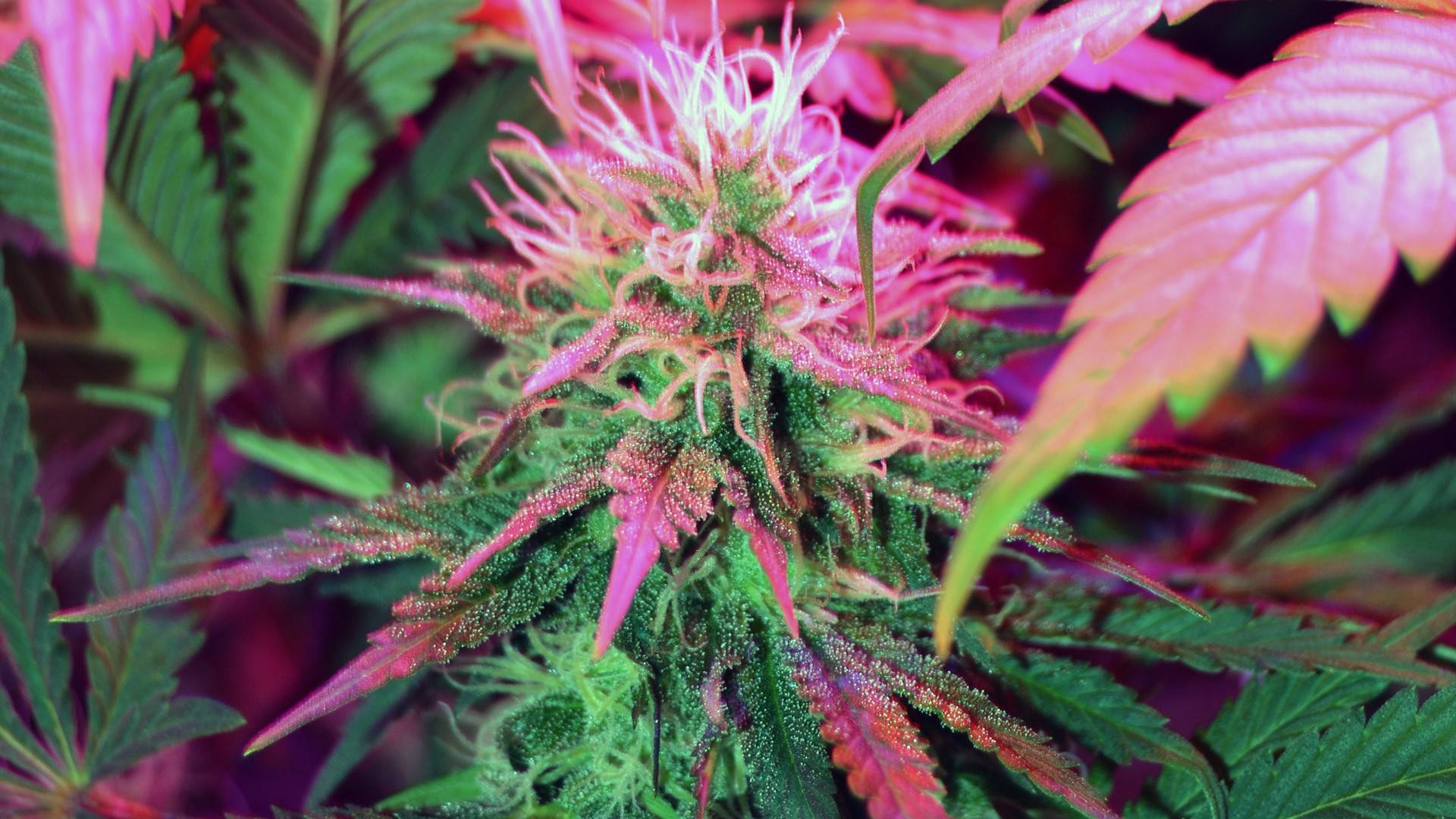
Methods of Marijuana Consumption
There are many ways of consuming recreational marijuana, which have different effects:
Smoking The oldest, which is the use of joints, blunts, pipes, or bongs. Smoking introduces THC quickly to the blood stream, and the drug has effects within minutes.
Vaping: Cannabis oils or flower vaporized are usually believed to be less harmful than smoked, but in recent years, issues about the safety of vapes have been reported.
Edibles: Cannabis-infused food and beverages (cookies, gummies, teas, etc.) offer a delayed, yet usually more powerful and sustained effect. Since this takes time, overconsumption occurring by mistake is a common issue in new users.
Dabbing: Dabbing involves a highly concentrated extract of cannabis (wax or shatter) and the effect is very strong. Dabbing has been popularized with increased dangers of the intensity of high.
Topicals: Cannabis-infused lotions and balms do not generally have any psychoactive effect and may provide localized relaxation though are not used recreationally.
They have varying health consequences, and smoking is usually the most dangerous of the two because of its exposure to products of combustion.
Recreational Marijuana as of the short term.
Short-term impacts of marijuana depend on the strain, the potency and the method of intake as well as the tolerance of the user. The most likely short-term effects are:
Rest and less stress.
Euphoria or “high” feeling
Distorted time perception and enhancing the senses.
Hunger (the munchies)
Giggling or talkativeness
Nonetheless, the negative short-term consequences are also possible:
Poor response and control.
Short-term memory loss
Anxiety, paranoia or panic attacks (with high doses of THC)
Dry mouth and red eyes
These immediate impacts are the reasons why one should not operate a car or a machine under the influence of marijuana because it is unsafe and unlawful in most places.
Cultural and Social Aspects.
Marijuana as a recreational drug has strong connection with culture and way of life. It is regarded as a social activity in most communities just as sharing a drink. Music, art and counter culture movements have been affected by cannabis especially in the 1960s and 1970s. In the current day, marijuana is usually linked to wellness, festivals, and even fine food as legalization increases.
The legalized cannabis industry has also transformed the recreational use and provided the cannabis users with professionally produced products, standard dosages, and more diversity. Legal dispensaries tend to sell cannabis in a high-end culture with focus on flavors, terpene concentration, and customized experiences.
The Dangers of Leisure use.
Though marijuana might appear to be innocent to certain people, recreational-level use is not risk-free:
Reduced judgment and accidents: The use of marijuana is associated with increased accident rates especially those arising on the roads due to impaired driving.
Mental health triggers: High-THC products are capable of causing anxiety, paranoia or psychotic reactions in those who are at a disadvantage.
Dependence: There is the development of cannabis use disorder by some users where they crave to use it and are unable to limit their consumption.
Vulnerability among the youth: The recreational use by teenagers is especially alarming because it is able to affect brain maturation, schooling performance, and motivation.