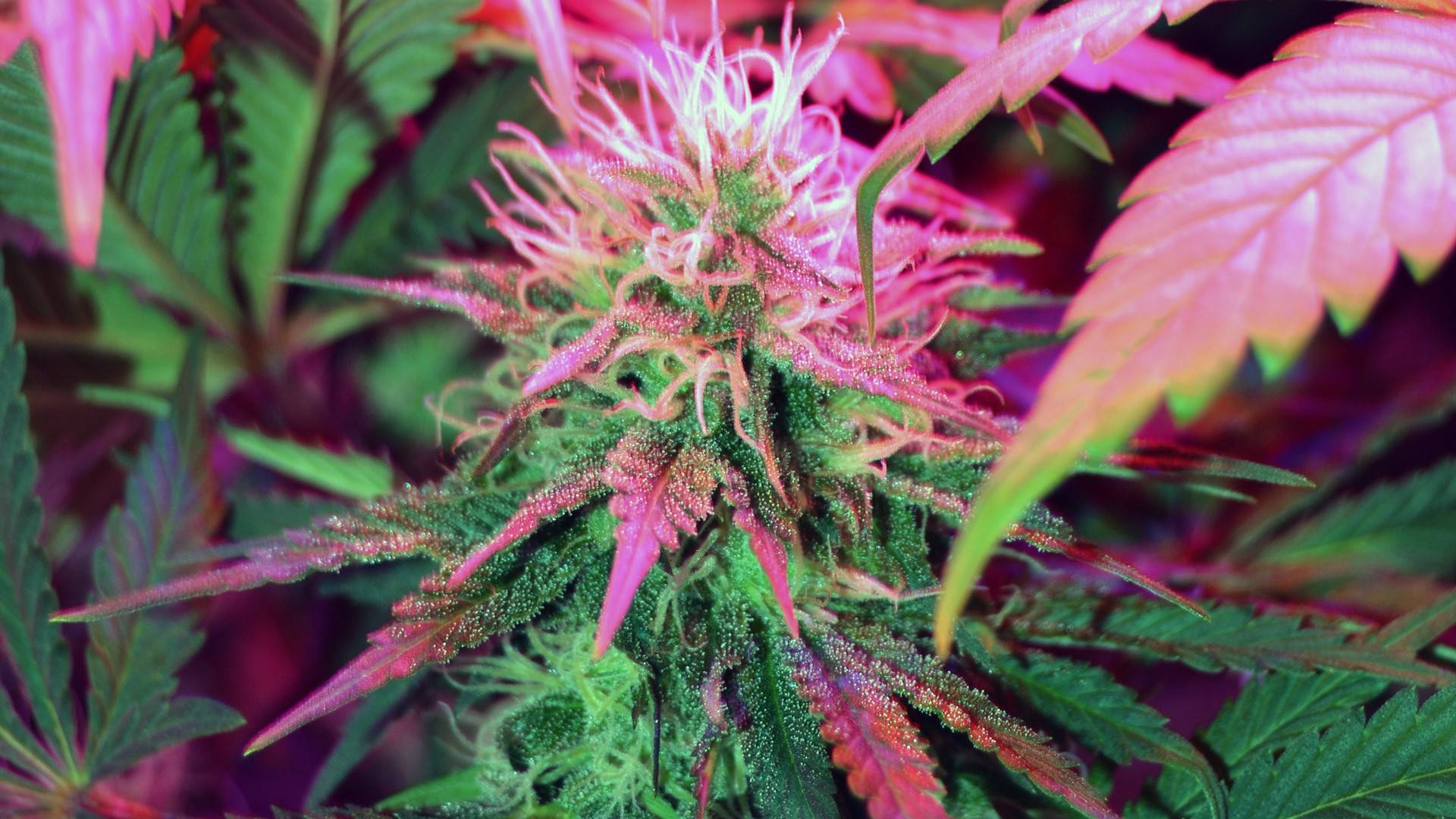
In the South Asian region, marijuana laws are violated.
In spite of these difficulties, the overall approval of the idea of legalization in the United States is on the rise impacting policy discussions on the national level.
Marijuana (locally called charas or bhang) in Pakistan has strong cultural and historical background. Historically, the cannabis has been used in religious ceremonies, herbs and in the countryside. Nevertheless, nowadays marijuana is mostly illegalized.
Penalties for Marijuana
Legal: There the possession and trafficking are criminal offences according to the Narcotics Control laws. Punishment may incorporate fines and jail term.
Recent Developments: In 2020, the Pakistani government authorized cannabis to be used industrially and medically with specific attention to hemp planting to export and conduct medical studies. This move is an indication of a gradual change of the perception that cannabis has economic and therapeutic benefits, but its recreational use continues to be criminalized.
The relationship that South Asian countries like India and Nepal have with cannabis is not simple. Although on the one hand, it is illegal according to the national laws, on the other hand, the traditional and religious use is common, and the enforcement of the law differs regionally.
Arguments in Favor and Against Legalization.
The question whether to legalize marijuana or not is hotly contested, and both sides have good arguments:
Benefits to the public health: The legalization will enable regulation so that there are safer and healthier products with no harmful contaminants.
Economic benefits: Cannabis industries bring billions of taxes and employment.
Less criminal justice cost: Decriminalization causes fewer minor possession offenses to be arrested and imprisoned and opens resources to more serious crimes.
Medical access: Legality enables the use of marijuana in health care under the care of medical practitioners.
Poor accessibility: Unrestricted access will boost the consumption and health hazards among the youth.
Public safety: There are still concerns regarding impaired driving and work-related safety.
Mental health: Legalization can normalize the usage, which will result in an increase in dependence and psychiatric support problems.
Black market strength: A high tax level or other regulations may enable the existence of illegal markets of cannabis.
The place of the regulation and law-enforcement.
Legalization in itself does not resolve all issues, it has to be accompanied by responsible regulation. Successful structures are usually typified by:
Age limit so that it prevents youth access.
Safe product quality control.
Educating people on responsible use.
Distribution deterrent mechanisms.
Where marijuana is still illegal, there is a dilemma between punishment and rehabilitation by the law enforcers. More and more professionals suggest that cannabis-related crimes need to be treated within the context of health-oriented interventions in addition to criminal punishment.
Toward a Balanced Future
Marijuana legal status around the world is changing at a very fast rate. The reverted prohibition is being reevaluated in more countries due to economic prospects, medical studies and changing perceptions of people. But the controversy is partisan and there are deep health and social implications.
The future of marijuana law will always lie in a compromise of the individuals, the health of the population and society of the future. Such policies can offer the most sustainable way forward by putting education, harm reduction, and regulation over punishment in the first place.