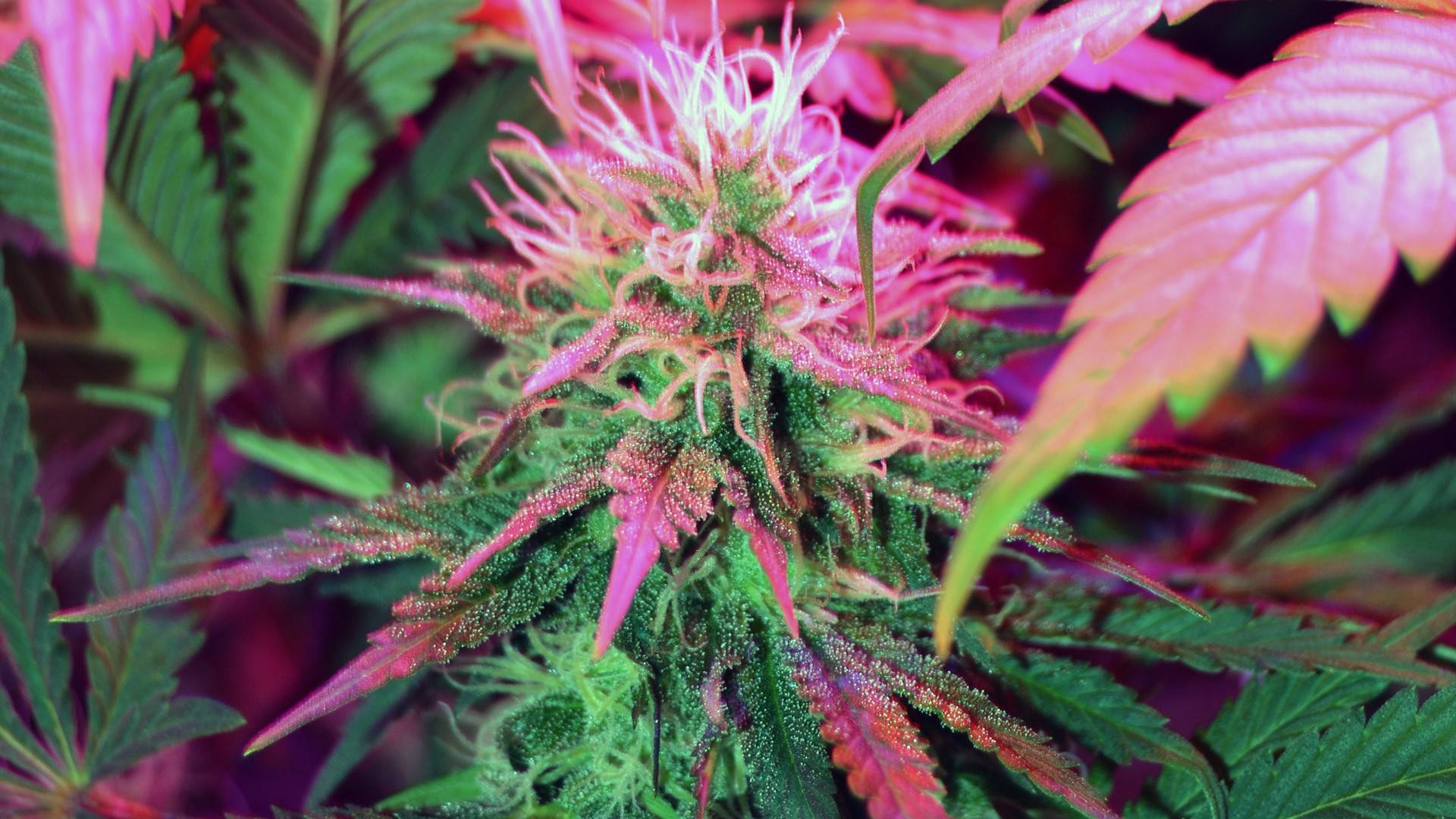
The Medical Marijuana Euphoria.
Marijuana has entered the recent decades as a medical research and practice topic where it is no longer regarded as a recreational drug. The patients with chronic diseases, who do not respond to conventional treatment methods or experience severe side effects are progressively resorting to cannabis based treatment methods. This change has been propelled by individual patient anecdotes as well as new scientific research. Medical marijuana is now legal in numerous countries and states in the U.S. but the rules and agreed-upon applications are diverse.
Ailments that are normally treated with Marijuana.
Medical marijuana is not a panacea, but it has demonstrated to be helpful in the treatment of symptoms of various health conditions:
Chronic Pain: This possibly is the most frequent reason why medical cannabis prescriptions are conducted, marijuana can alleviate the pain related to arthritis, neuropathy and injuries.
Cancer-Related Symptoms: Cannabis can reduce nausea, vomiting, and anorexia resulting as a side effect of chemotherapy. There are studies indicating that it can enhance the general quality of life of cancer patients.
Epilepsy and Seizures: CBD has been specifically useful in decreasing seizures in some of the rarest types of epilepsy, including Dravet syndrome and Lennox-Gastaut syndrome. Indeed, the U.S. FDA has approved a cannabis based drug, Epidiolex, in these ailments.
Multiple Sclerosis (MS): Cannabis may decrease stiffness and spasms of the body which are observed in the MS patients, providing relief to painful symptoms.
Glaucoma: Marijuana decreases the intraocular pressure which may be useful in glaucoma patients, but newer medications may be better because of their long-term effects.
HIV/AIDS: Cannabis can enhance appetite and weight gain and can decrease nausea and neuropathic pain.
CBD in the Contemporary Medicine.
Although THC remains the leading point of the debate, the study of medical marijuana has taken the center stage due to the lack of psychoactive effects of CBD. Patients who are THC receptive or do not want to feel high commonly resort to the use of products that are based on CBD. Studies of CBD show that there could be use in conditions like:
Anxiety and stress disorders.
Sleep disturbances
Inflammatory diseases
Brain diseases such as Alzheimer and Parkinsonism.
CBD oils, capsules and creams are of great abundance, usually being sold as wellness supplements, but their medical efficacy varies with dosage, purity and formulation.
Findings and Limitations of the Research.
Despite the advantages that have been realized in the use of medical marijuana, there is scientific skepticism. There are still limited studies that are large-scale and long-term. Experts have found some results:
Marijuana has proven effective on chronic pain in adults.
It has the ability to diminish the nausea and vomiting caused by the chemotherapy.
CBD can be of significant importance in decreasing the frequency of seizure in treatment-resistant epilepsy.